
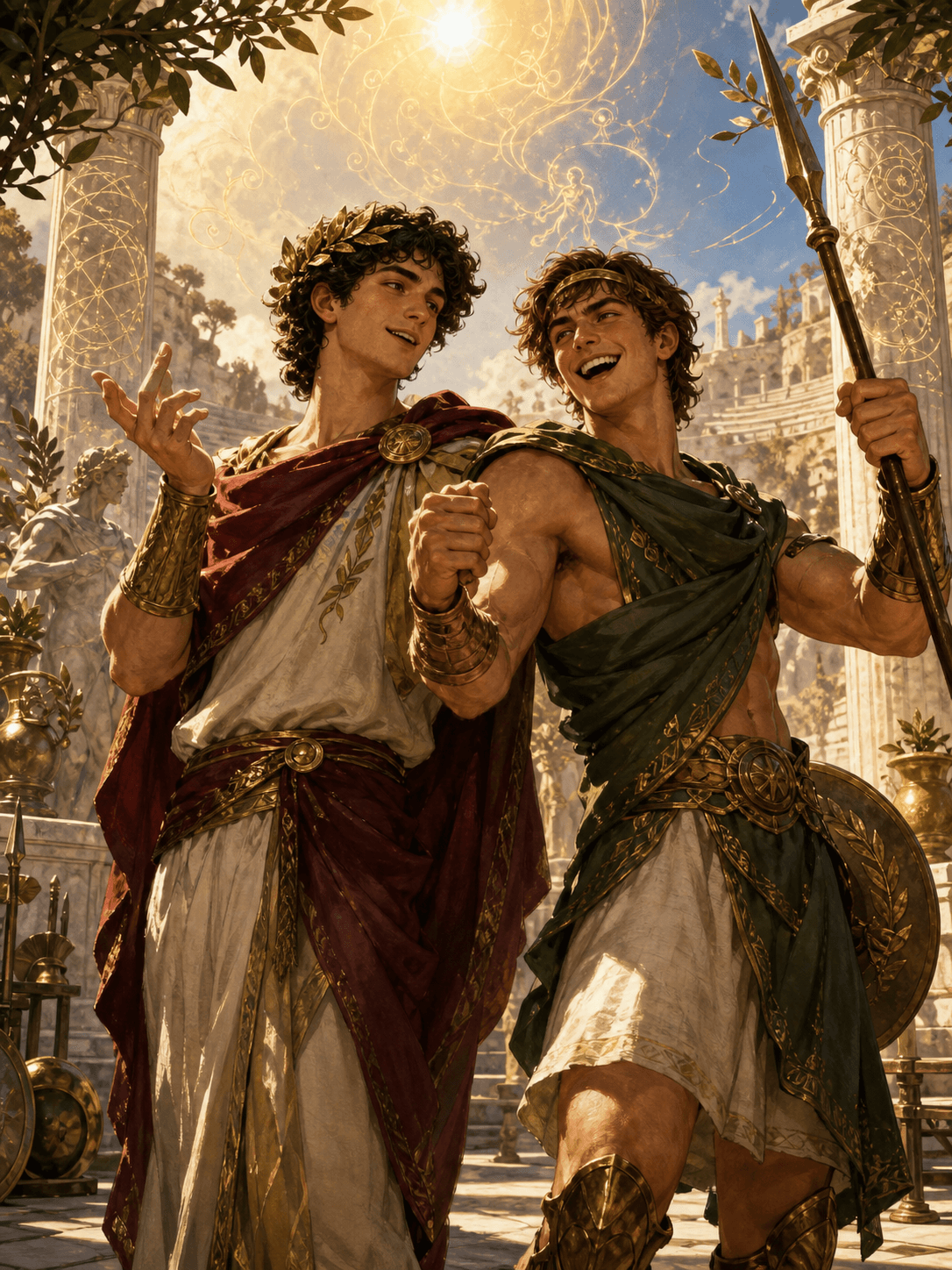
Virtuous Sons Review: Is It Worth Reading?
A distinctive cultivation remix powered by brotherhood, rhetoric, philosophy, and very stylized prose.
Verdict at a glance
Best for
Readers bored of standard sect templates
Skip if
Readers who prefer invisible prose
Review method
This is a spoiler-light editorial assessment focused on whether the novel is worth a long read for a specific kind of reader. The rating summarizes fit, friction, and caveats rather than pretending every story can be ranked by one universal standard.
Reader fit
Who benefits from the premise, tone, protagonist style, and commitment level.
Completion risk
Status is checked as ongoing before weighing whether this is a safe long read.
Harem status
Relationship structure is treated as a practical fit signal, not a moral score.
Translation readability
Native English prose, but not neutral prose. The writing is part of the flavor and part of the filter.
Pacing
Energetic but idiosyncratic. It moves through personality, argument, rivalry, and conflict as much as through clean training loops, which makes it feel alive but less predictable as a pure progression ladder.
Red flags
Highly stylized prose, Nontraditional cultivation setting, Banter-forward tone
Who should read
- Readers bored of standard sect templates
- Fans of mythic bromance and high style
- No-harem readers seeking native English progression
Who should skip
- Readers who prefer invisible prose
- Anyone wanting traditional Chinese cultivation texture
- People who dislike banter-heavy leads
What it is about
Virtuous Sons is valuable because it proves cultivation mechanics can travel. Instead of copying the usual Chinese sect scaffolding, it filters advancement through Greco-Roman philosophy, rhetoric, martial pride, and a central relationship built on brotherhood. The result is not xianxia with different names pasted over it. It feels like a deliberate remix, where cultivation becomes a language for honor, argument, lineage, bodily excellence, and mythic self-fashioning.
Strengths
- Fresh cultural frame for cultivation
- Memorable lead dynamic
- Native English prose with real personality
- A strong sense of mythic swagger
- No-harem focus keeps the emotional center clean
Weaknesses
- The style can be too much for some readers
- Less useful if you want classic xianxia atmosphere
- Tone and banter may overwhelm quieter moments
- The distinct voice is a filter as much as a strength
Harem / romance notes
No harem focus. The emotional center is brotherhood and ambition rather than romantic accumulation.
Red flags
Translation quality
Native English prose, but not neutral prose. The writing is part of the flavor and part of the filter.
Pacing
Energetic but idiosyncratic. It moves through personality, argument, rivalry, and conflict as much as through clean training loops, which makes it feel alive but less predictable as a pure progression ladder.
Ending / completion notes
Ongoing, so treat it as a distinctive live serial rather than a completed gateway.
Final verdict
A strong recommendation for readers who want cultivation to feel new again. The style is the selling point and the risk: if the voice clicks, the book feels electric; if it does not, the same confidence can feel exhausting.