
The Grand Game Review: Tactical Survival LitRPG
A focused system-survival series for readers who enjoy cautious choices, dungeon pressure, and optimization without noisy comedy.
Verdict at a glance
Best for
LitRPG readers who like solo survival
Skip if
Readers who dislike system terminology
Who should read
- LitRPG readers who like solo survival
- Progression fans who enjoy hidden rules and build choices
- People who want tactical pressure more than slice-of-life banter
Who should skip
- Readers who dislike system terminology
- Anyone wanting a large found-family cast immediately
- People who need completed-series safety
What it is about
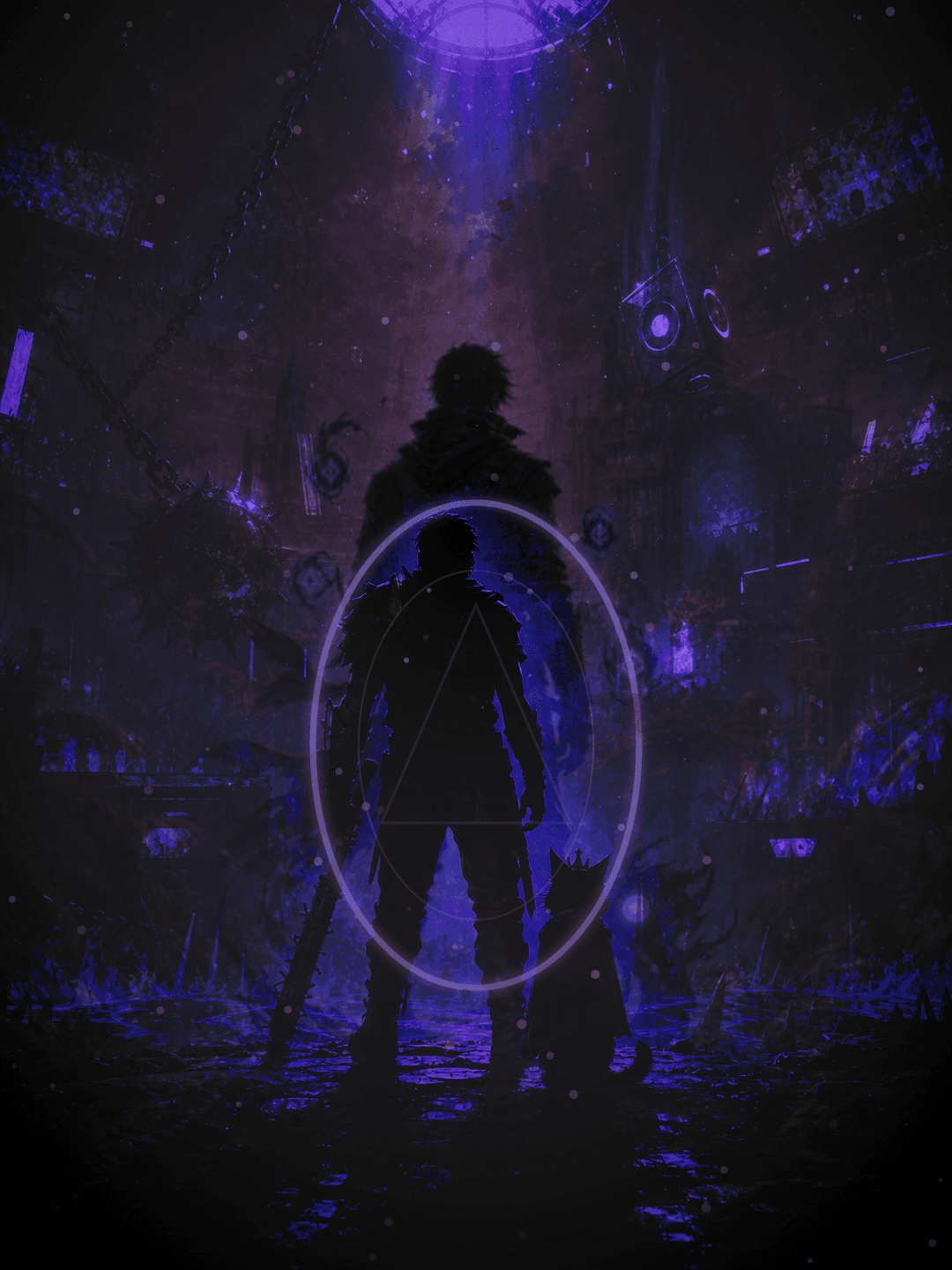
The Grand Game is a LitRPG for readers who like the survival part of system fantasy more than the fireworks. The premise is familiar: a person is dropped into a lethal game structure, the rules are only partially visible, and every early decision can become either leverage or a future mistake. What gives the book its lane is tone. It is not trying to be a joke-heavy portal romp, and it does not immediately surround the lead with a cozy found-family party. The early pleasure is colder and more tactical: observe the rule, test the boundary, conserve resources, and stay alive long enough for the next choice to matter.
The system density is the reason to read it. Classes, dungeons, factions, hidden mechanics, and build decisions create a world where information has weight. A small advantage feels good because the protagonist had to notice it before he could use it. That makes the book closer to tactical progression than to pure adventure fantasy. The reader is invited to think alongside the lead: what is the safest assumption, which reward is actually a trap, when is a fight worth taking, and what kind of character build can survive not only monsters but other people playing the same game better?
For cultivation readers, the translation is not one-to-one, but the emotional loop is familiar. There is hierarchy. There is scarcity. There are people and institutions that know more than the protagonist and benefit from keeping it that way. Strength comes from risk, but also from judgment. The difference is that the language is game logic rather than sect politics or dao comprehension. If you enjoy the careful side of cultivation, where preparation and hidden rules matter as much as raw power, The Grand Game may fit better than flashier LitRPGs.
The dungeon material works best when it turns uncertainty into pressure. The protagonist often has to decide before he has perfect information, and that keeps the system from feeling like a harmless menu. A class choice, route, or fight can imply future constraints. The book is not only asking what build is strongest; it is asking what build can keep a person alive while stronger actors are already moving.
The limitation is that the book can feel narrow. A solo-survival focus means less immediate social warmth, fewer big ensemble dynamics at the start, and a prose style that cares more about functional clarity than flourish. Readers who want banter, romance, or emotionally messy side characters right away may find the opening a little austere. Readers who enjoy watching a protagonist slowly extract leverage from a hostile system will likely find that leanness satisfying. The emotional register is closer to careful problem-solving than triumphal wish fulfillment, and that difference gives the early book a useful niche. It is a story for people who enjoy seeing caution rewarded.
The ongoing-series caveat matters. This is not the recommendation for someone who only starts finished epics. But as a clean tactical survival engine, it knows what it is doing. It is less interested in making the system look cool than in making the system dangerous enough that understanding it feels like progress.
Strengths
- Clear tactical survival loop
- Readable system progression
- Good fit for dungeon and build-choice readers
- Less noisy than many comedy-heavy LitRPGs
Weaknesses
- Can feel narrow if you want ensemble warmth
- System density is a real filter
- Ongoing-series risk remains
Harem / romance notes
No harem. The main focus is survival, advancement, and faction pressure.
Red flags
Translation quality
Native English prose with functional clarity. It prioritizes readable decisions and system consequences over ornate style.
Pacing
Steady and tactical, with progress tied to survival problems rather than social downtime.
Ending / completion notes
The broader series is still treated as ongoing, so closure-sensitive readers should sample before committing deeply.
Final verdict
A strong pick for readers who want a focused LitRPG survival engine and do not need the story to become cozy around the edges.