
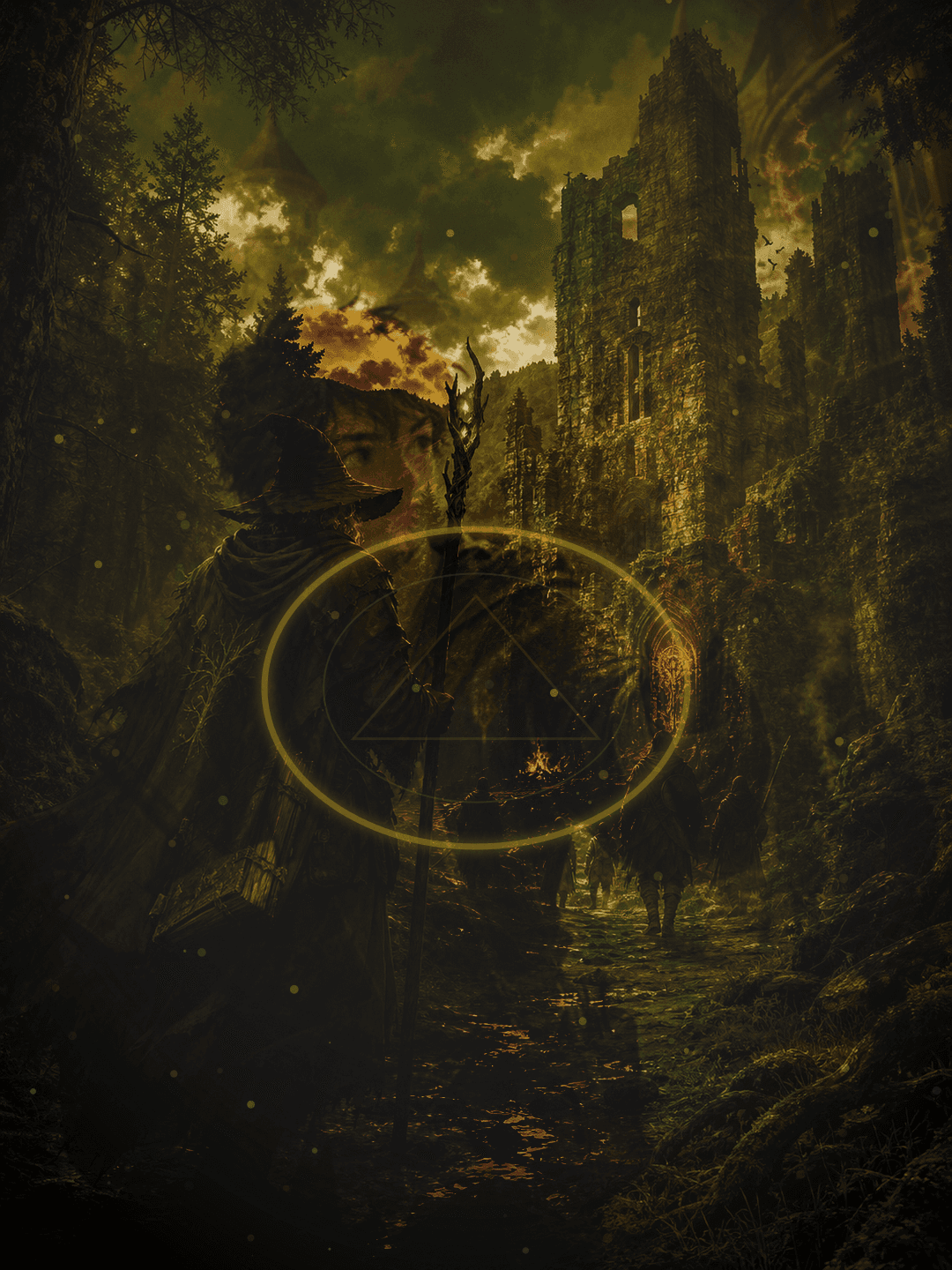
The Choice of Magic Review: Old Wizard, New Consequences
A solid wizard-apprentice progression opener with traditional fantasy bones, readable training, and sharper consequences than the cozy premise might imply.
Verdict at a glance
Best for
Readers who like apprenticeship arcs
Skip if
Readers who dislike coming-of-age mistakes
Who should read
- Readers who like apprenticeship arcs
- Fans of spell training, mentors, and rural-to-magical-world progression
- People who want native-English fantasy with a clear power-growth line
Who should skip
- Readers who dislike coming-of-age mistakes
- Anyone wanting a frictionless cozy magic school
- People sensitive to later-series romance drama
What it is about
The Choice of Magic scratches a very old fantasy itch: a village boy discovers that magic is real, finds himself under the eye of a dangerous old teacher, and learns that power is less romantic when someone expects you to survive the lesson. The setup is traditional almost to the point of comfort, but the book works because it treats that tradition as a craft rather than a shortcut. It is not embarrassed to be a wizard-apprentice story. It simply tries to make the apprenticeship feel useful, painful, and consequential.
Will is not an instantly polished prodigy, which is either the appeal or the irritation depending on what you want from progression fantasy. He makes youthful decisions. He misreads people. He wants things before he understands what they cost. That can frustrate readers who approach the genre as an optimization exercise, but it also gives the training arc room to breathe. Spellcraft feels like something learned through instruction, repetition, correction, and occasional embarrassment. The reward is not a glowing realm title; it is the quieter satisfaction of watching raw talent become competence.
The mentor relationship is the early spine of the book. The older wizard is severe enough to make the story uncomfortable, but not in a hollow grimdark way. His presence creates pressure: lessons are not just charming demonstrations, and magical knowledge is not presented as harmless wonder. That tone helps separate the novel from cozy magic-school fantasy. There is warmth in the broader coming-of-age shape, but the world around the apprenticeship has teeth.
What makes the book useful for progression readers is how practical its fantasy feels. Magic sits beside class expectations, rural vulnerability, old grudges, institutions, and social mistakes. Will's growth matters because it changes what he can survive, but also because it changes what kinds of trouble he is capable of causing. The first book is strongest when those two ideas meet: more power does not automatically mean better judgment.
The domestic and rural opening also helps. Before magic becomes a route into larger institutions, the book lets Will feel like someone from a small life whose mistakes have local emotional weight. That grounding makes the later broadening more satisfying. He is not just gaining spells; he is losing the comforting illusion that good intentions and cleverness will be enough.
The caveat is the series' emotional reputation. Even readers who enjoy the first volume often warn that later relationship and character decisions become divisive. That does not ruin the opening book, but it should shape expectations. If you want a flawless lead and clean wish fulfillment, this is not the safest pick. The better mood is to read it like a traditional coming-of-age fantasy with progression bones: the lessons matter, but so do bad assumptions, embarrassment, class friction, and the slow realization that talent does not make someone wise. If you like apprenticeship stories where the protagonist has to be unfinished before he can become formidable, The Choice of Magic is a sturdy, readable entry with more bite than its familiar premise first suggests.
Strengths
- Satisfying apprenticeship structure
- Spell training feels earned
- Readable native-English prose
- Traditional fantasy setting with real consequence
Weaknesses
- Not especially novel in setup
- Protagonist immaturity can frustrate optimization-minded readers
- Later-series romance reputation may be a caveat for some
Harem / romance notes
No harem. Romance exists as a character and drama element, not as a multi-partner reward structure.
Red flags
Translation quality
Native English prose with direct storytelling and low friction. It reads like commercial fantasy rather than translated serial fiction.
Pacing
Steady apprenticeship pacing: training, mistakes, danger, and broadening stakes. It is not slow, but it values learning scenes.
Ending / completion notes
The first book works as a series opener and the broader main sequence is available for readers who want the long arc.
Final verdict
A dependable Western wizard-progression pick, especially if your favorite part of fantasy is watching raw talent become trained competence.