
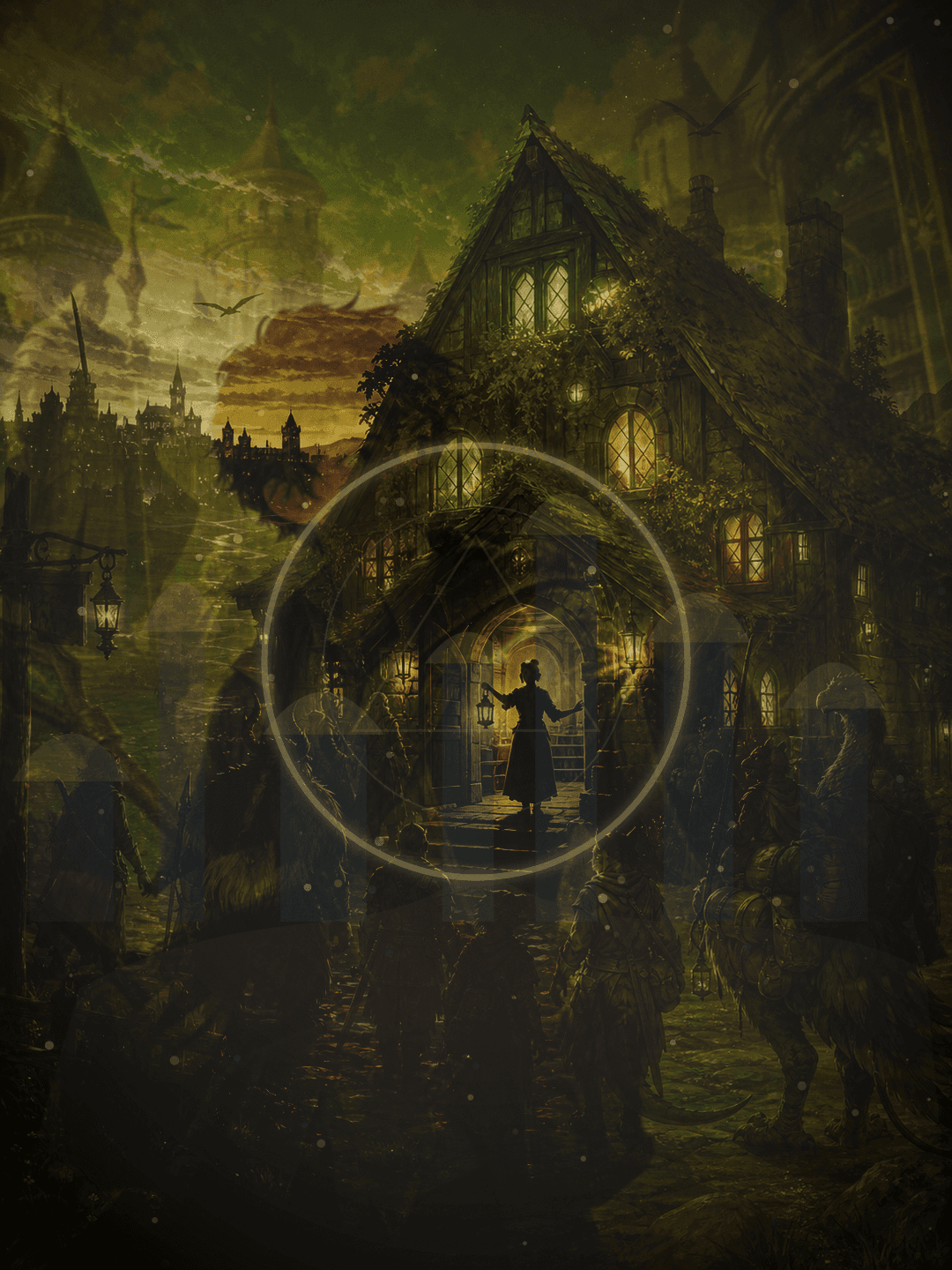
Millennial Mage Review: Debt, Work, and Slow Magical Competence
A quieter female-led progression series where contracts, travel, defensive magic, and debt make advancement feel like work rather than destiny.
Verdict at a glance
Best for
Readers who enjoy slice-of-life progression
Skip if
Readers needing constant fights
Who should read
- Readers who enjoy slice-of-life progression
- Fans of female mages and magical craft
- People who like competence built through work and travel
Who should skip
- Readers needing constant fights
- Anyone bored by debt and job structure
- People who want fast power fantasy escalation
What it is about
Millennial Mage occupies a calmer lane than the loudest LitRPG and portal-fantasy recommendations. Tala is a trained mage, but the story does not begin by handing her a throne, a prophecy, or a clean heroic mission. It begins with debt, contracts, professional risk, dangerous travel, and the practical question of how a young mage turns education into a life. That framing gives the series a grounded appeal: advancement is not destiny arriving from the sky, it is work.
The debt angle is more than background flavor. It shapes Tala's choices, her relationship to opportunity, and the way danger becomes economically rational. Caravan work, monster threats, defensive preparations, and magical experimentation all sit inside a world where competence has to pay for itself. That makes the progression feel different from a pure academy story. Tala is not just training for future greatness; she is using what she knows to survive the present.
The magic is satisfying because it is practical and incremental. Defensive spells, body preparation, tools, contracts, and travel routines matter. The story spends time on how a mage functions rather than only what a mage can destroy. For readers who like cultivation's slower craft side, that can be very appealing. Growth is visible, but it often appears through better habits, safer choices, improved understanding, and the gradual accumulation of professional confidence.
That mundanity is part of the charm. The series cares about money, preparation, routes, job expectations, and professional risk because those are the things that turn magic from a fantasy label into a working life. Tala's progress often feels satisfying in the way a hard month of competence feels satisfying: not glamorous every day, but meaningful because she can do more at the end than she could at the beginning. This is the rare progression fantasy where a good professional decision can feel almost as rewarding as a new spell.
The tradeoff is pace. Millennial Mage is not built for readers who need constant boss fights or dramatic cliffhangers. It has danger, but it also values process, employment, logistics, and personal development. Some readers will call that slow, and they will not be entirely wrong. Others will find it refreshing because the protagonist's life feels like something being built brick by brick rather than a highlight reel of breakthroughs.
Tala herself is a solid anchor for this style. She is capable but still learning how capability fits into a larger adult life. The female-lead perspective, debt pressure, and work-based progression give the series a niche that feels distinct from both grim survival LitRPG and explosive isekai power fantasy. It is best recommended to readers who want a long-form magical career story: travel, danger, money problems, craft, and the quiet pleasure of watching competence become durable.
The best reader for this is someone who enjoys competence more than spectacle. If you like watching a character become steadier, safer, and more professional over time, the slow pace becomes a feature. If you need every arc to explode, it will feel too much like work.
Strengths
- Grounded work-and-debt progression
- Female mage lead with practical growth
- Good magical craft texture
- Slice-of-life travel gives the world room
Weaknesses
- Slow-burn pacing
- Less explosive than action-first progression
- Debt and contract focus may feel mundane to some readers
Harem / romance notes
No harem. The story is centered on career, magic, travel, and personal growth rather than romantic collection.
Red flags
Translation quality
Native English and clear, with a practical style that suits work-focused progression.
Pacing
Slow and accumulative. The strongest moments come from competence, craft, and travel routines rather than sudden spectacle.
Ending / completion notes
Ongoing, so it is best approached as a long magical career serial rather than a finished arc.
Final verdict
A good pick for readers who want progression fantasy to feel like building a difficult life, not only winning bigger fights.