
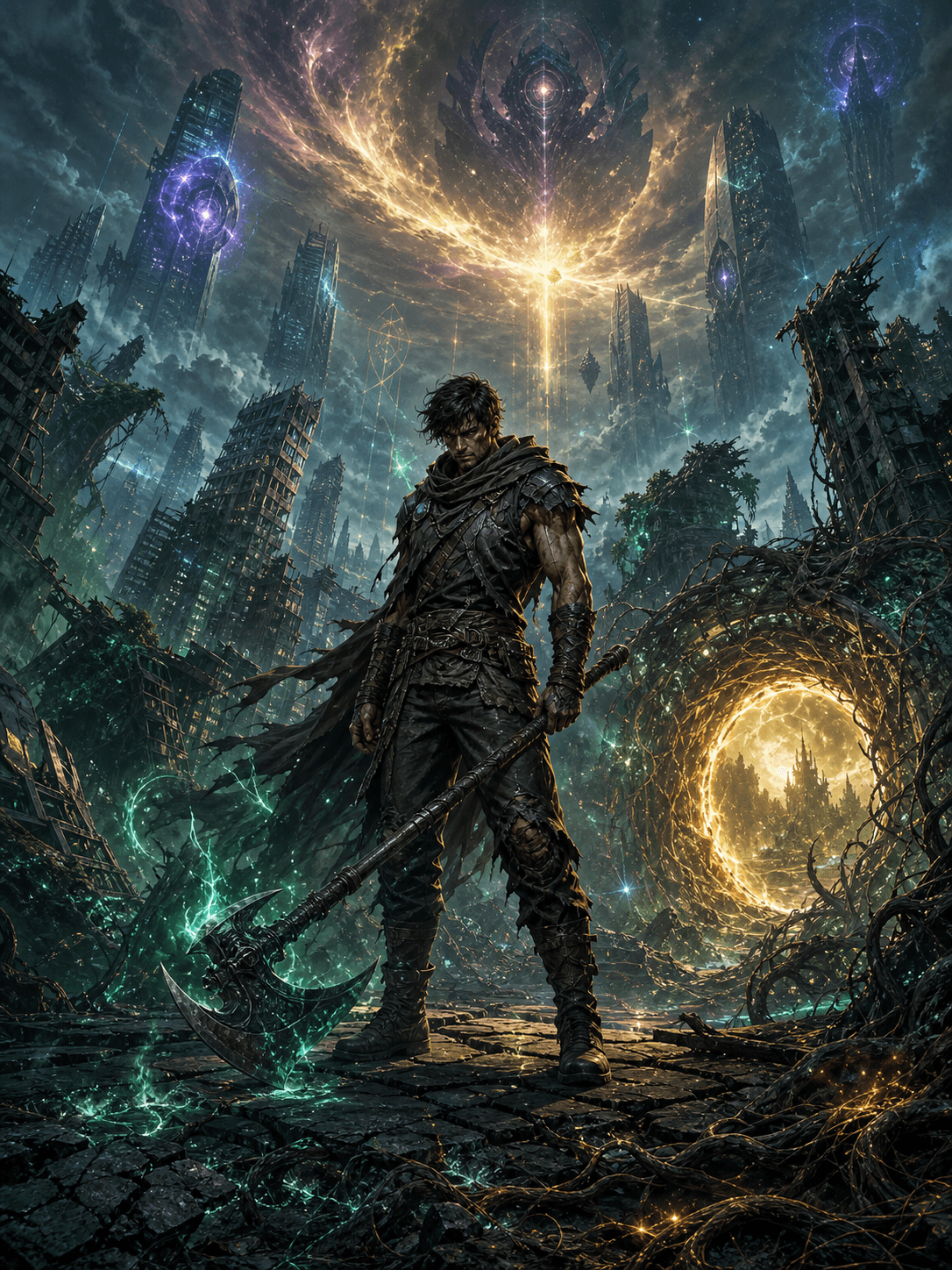
Defiance of the Fall Review: Is It Worth Reading?
A huge system apocalypse progression engine built for scale, stats, factions, and cosmic cultivation more than tight pacing.
Verdict at a glance
Best for
LitRPG readers curious about cultivation
Skip if
Readers who dislike stat-heavy chapters
Review method
This is a spoiler-light editorial assessment focused on whether the novel is worth a long read for a specific kind of reader. The rating summarizes fit, friction, and caveats rather than pretending every story can be ranked by one universal standard.
Reader fit
Who benefits from the premise, tone, protagonist style, and commitment level.
Completion risk
Status is checked as ongoing before weighing whether this is a safe long read.
Harem status
Relationship structure is treated as a practical fit signal, not a moral score.
Translation readability
Native English prose with web-serial directness. It is easy to read and mechanically clear, but not especially compact or sentence-driven.
Pacing
Momentum comes in waves: strong arcs and breakthroughs, then stretches of system detail, travel, crafting, faction setup, and large-scale positioning. That wave pattern is comfortable for some readers and bloated for others.
Red flags
Very long, Stat-heavy, Filler-heavy stretches
Who should read
- LitRPG readers curious about cultivation
- Fans of enormous power ladders
- Readers who enjoy faction and territory growth
Who should skip
- Readers who dislike stat-heavy chapters
- People who need tight editing
- Anyone allergic to very long ongoing serials
What it is about
Defiance of the Fall is one of the clearest bridges between LitRPG and cultivation. It starts with system apocalypse survival and keeps widening into factions, bloodlines, dao-like insights, cosmic politics, and increasingly large advancement frameworks. The appeal is not elegance; it is scope. The series keeps asking what happens when a survival build, a territory, a bloodline, and a cosmic ladder all keep expanding at the same time.
Strengths
- Excellent scale for power-progression fans
- Strong LitRPG-to-cultivation bridge
- Satisfying faction and survival hooks
- A wide advancement framework with many levers to track
Weaknesses
- Very long and sometimes padded
- Stats and systems can crowd out character texture
- Not ideal for readers seeking literary tightness
- The scale can blur emotional intimacy
Harem / romance notes
No harem focus. The main appeal is progression, survival, and scale rather than romance.
Red flags
Translation quality
Native English prose with web-serial directness. It is easy to read and mechanically clear, but not especially compact or sentence-driven.
Pacing
Momentum comes in waves: strong arcs and breakthroughs, then stretches of system detail, travel, crafting, faction setup, and large-scale positioning. That wave pattern is comfortable for some readers and bloated for others.
Ending / completion notes
Ongoing. The scale is part of the appeal, but closure-first readers should be cautious because the story is built to keep widening.
Final verdict
A good recommendation when someone asks for cultivation through a LitRPG doorway. Less good when they ask for a tight, finished novel, but very effective for readers who want a huge system-cultivation engine.